cost of concrete driveway replacement

concrete patio builder


You are well-equipped to handle the basic aspects of building a concrete business. But you need to be open to new ways to grow your company. Logistics is often a problem. A busy company may have difficulty keeping track of all jobs and deliverables, particularly because there is often a distance between the jobsite (or the front office). Even more so for commercial construction and public works. There are more parties involved in the result and the jobs are usually larger than residential.
Concrete contractors make structures and other surfaces out of concrete. Concrete subcontractors are highly in demand because of the prominence of concrete in modern construction. Continue reading to learn about the concrete contractor's job, how much they typically make, and how their demand will change over time.
Concrete subcontractors will be involved at all stages of the installation process, making sure that it meets the requirements of the project. These specialists usually work under general contractors on larger projects. Their work is essential (often literally) for many jobsites.
Next, let's talk about the average earning of concrete subcontractors along with how they are expected to be in demand over the next decade.
Now that you know what concrete contractors do, and how they are paid and the forecasted demand for them, let's talk about the skills required to succeed. This list can help subcontractors when they are searching for concrete workers.
Concrete work is highly specialized. It requires a specific set of tools and equipment. These skills are essential for successful candidates.


In any case, getting a contractor license in your state is the next step to becoming a concrete contractor. A prospective contractor must be at least 18 and have between two and four years experience. Financial statements will be required to prove the financial viability of your company. Additional requirements vary from one state to the next, including a written exam, criminal screening, and a posted bond. Remember that licenses must be renewed each year.

diy vs professional

diy vs professional


Once you've compiled a list and asked for references, you should also get a list containing projects in your region that you can look at. You should also ask about their experience, insurance, certifications and warranties. Check out our tips to hire a concrete contractor.

cost to install a concrete driveway


For concrete mixing, wear safety glasses and work gloves. For small jobs, a concrete mixer may be rented for $100 per day. A wheelbarrow, shovel and elbow grease can suffice. You can speed up the process by having a helper.
You may want to ensure that the water you use is suitable before mixing the bag of concrete mixture with water. You can avoid concrete with a whitish appearance from efflorescence by using filtered water if your area has hard water. Concrete can also take longer to cure, which can make it less durable for larger jobs. Contact us for detailed information on concrete mixing, including the required amount and consistency.
Keep a 5-gallon bucket of water and a garden hose handy for concrete mixing. Concrete can set if you don't have enough water.
Once the concrete has been mixed, it is time to pour. Pour the concrete contents into your wheelbarrow. If you have friends who can help, gather all your hands and start to pour concrete into the mold as fast as possible.
Place enough concrete to fill in the space between the boards. This will allow you to finish the concrete faster. To keep concrete from hardening, wash the wheelbarrow after it has been empty.

cost to install a concrete driveway
concrete patio tulsa

concrete patio tulsa


Now that you have the concrete mix, it's time to start pouring. The next step is to follow these step-by steps to pour concrete.
Before you start a concrete project, make sure that your job site is safe and legal. To find out about permits and building setbacks, contact the local building department. You can also call the local excavation number to get the pipes and wires marked in the ground.

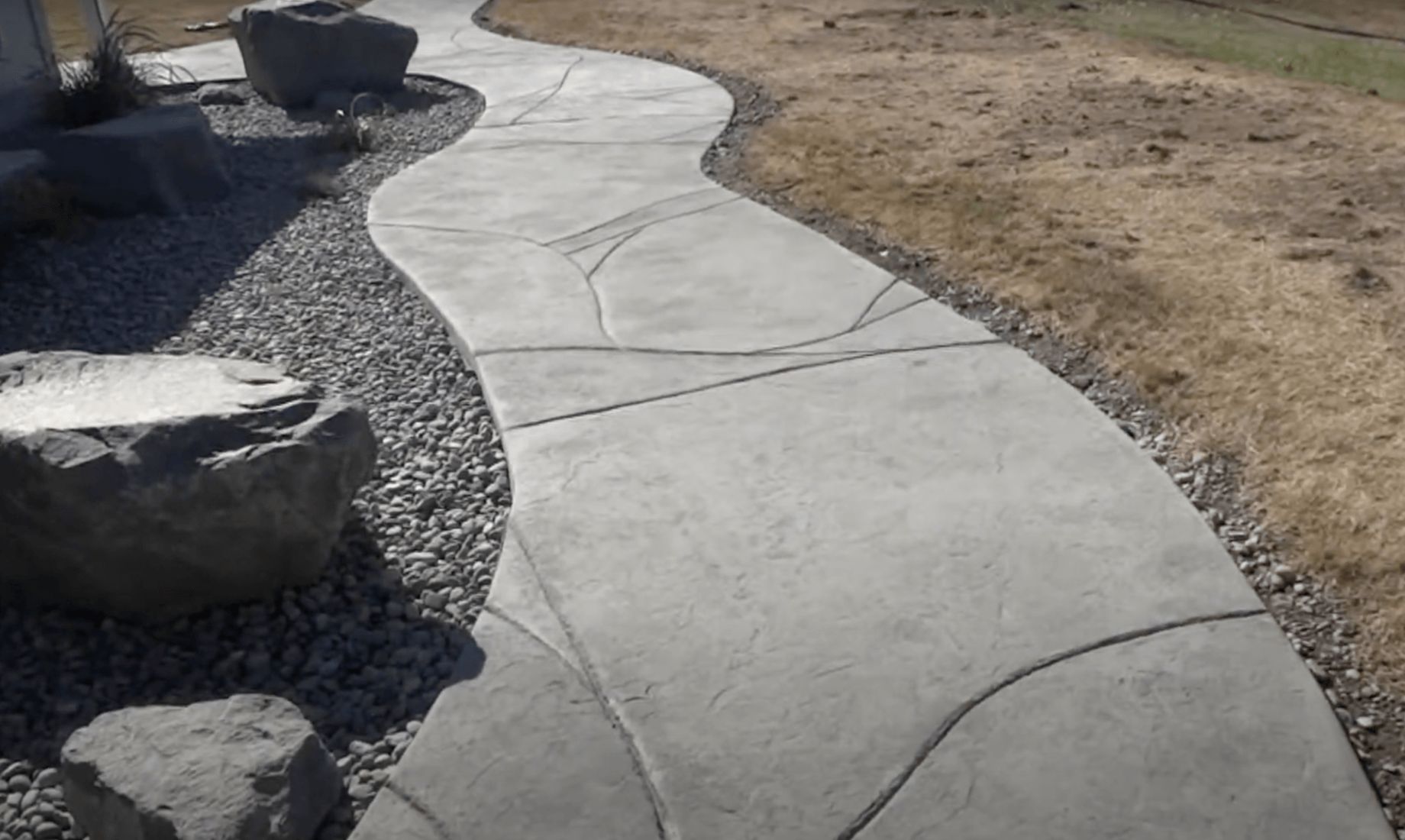
concrete walkways tulsa


Patios are an essential part of any homeowner who loves to entertain. We can create a beautiful environment that encourages relaxation and party planning. We can design your space or work with partners to create a layout that suits your landscape. We can also advise you on the best textures and patterns that will work with your home.
When building steps safety and functionality are paramount priorities. We build sturdy, comprehensible steps because steps are the location of thousands upon thousands of accidents each year. We make sure they have enough traction. Also, we seal them to keep away oil, grease and water that can make steps slippery. The steps are not only for getting you to one destination. They are also a great place to express your creativity. We will give your steps the visual appeal they desire with any stain and finish.

concrete patio contractor


Next, you need to determine the form and size of the concrete pour. Because it is easier to work on level ground, it also reduces the amount work required to make a subbase flat and a concrete pour.
Once you have determined the location, mark the area where concrete will be poured. String and stakes can be used to lay a slab. A stake is placed at each corner. Flags can be confusing if they were used to mark wires, gas lines and sewer lines. Specific colored flags are used for different functions. To ensure that a rectangle shape is achieved, measure the diagonals.
Most situations require that some soil be removed in order to make concrete. If you want the concrete patio or driveway level with the surrounding ground, then remove enough soil to make sure the subbase of gravel is 4-8 inches deep and the concrete slab on the top is 4 inches. The depth of concrete and subbase may vary depending on the project.
Take out any sticks, twigs or odd-sized stones. This will help to eliminate air pockets and uneven concrete surfaces. To ensure that the ground is flat, use a 48-72-inch-long level. Adjust the grading by moving the soil with a shovel, and then test the level again.
By using a hand tamper to compress the subgrade (the soil or earth that lies beneath a layer of gravel), you can compact it. The flat-bottomed plate has a broom-length, upright handle that allows you to add weight by pressing down on it or standing on top of it. To prevent concrete cracking, apply the hand tamper evenly to the entire area.


Frequently Asked Questions

There are a few disadvantages to using a driveway made from concrete. The biggest disadvantage is that this type of driveway can be difficult to maintain and may require more frequent maintenance than other types of driveways. Concrete also tends to be less flexible than other materials, which makes it harder for cars and trucks to navigate around it. Additionally, concrete is not as durable as other materials, so it may need replacing sooner if it's subjected to heavy use or weather conditions that damage the surface.

While there are many benefits to using concrete in driveway construction, it may not be the best option if you're looking for a durable surface. Concrete is a relatively new material that was first developed in the 1920s and has since become one of the most popular driveway materials. However, this type of pavement suffers from several disadvantages when compared to other alternatives such as asphalt or gravel driveways.

For starters, concrete tends to wear much more quickly than other materials due to its porous nature. This means that water can accumulate inside the structure, causing structural failures and potential flooding occur during heavy rainfalls or snowstorms. Additionally, repairs will usually require significantly more resources than with other types of driveways because concrete is difficult to work with and requires special tools and techniques.

Consider the following when choosing a slab made from concrete:

- Durability: Make sure the slab is durable enough to withstand normal wear and tear.

- Moisture management: Ensure that the slab can handle moisture fluctuations, especially during periods of wet weather.

- Surface finish: look for slabs with a smooth, even surface that is free of cracks or major imperfections.